Case Study


Autonomous Systems in Harsh Environments Require Exact Force Measurement

As autonomy advances beyond controlled environments, engineers are increasingly deploying autonomous systems in extreme and unstructured conditions, including deep underwater, rugged industrial terrain, and high-load mechanical operations. As these systems move from R&D to mass deployment, the need for precision, reliability, and safety is paramount.


Case Study Summary

  • About

    As autonomy advances beyond controlled environments, engineers are increasingly deploying autonomous systems in extreme and unstructured conditions, including deep underwater, rugged industrial terrain, and high-load mechanical operations. As these systems move from R&D to mass deployment, the need for precision, reliability, and safety is paramount.

    Interface, a global leader in force measurement, provides the critical sensor technology required to develop and operate these autonomous platforms, including highly accurate load, torque, and multi-axis force sensors. From deep-sea exploration to industrial inspection robotics, Interface sensor technologies provide the physical data that autonomous machines need to understand and respond to real-world forces. This data is pivotal for improving system reliability, extending operational life, and ensuring safe performance in environments where failure is not an option.

  • challenge

    Unlike traditional machinery, autonomous systems must continuously interpret physical forces and respond in real time. These challenges are amplified in environments where unpredictable loads on components must be measured and monitored. For a moving machine to make safe performance decisions, it must have access to precise data that goes beyond visual and spatial awareness. Current systems face significant hurdles in structural testing, weight distribution, and mechanical stress monitoring under varying environmental conditions.

    For underwater vehicles, engineers must validate thruster performance, propulsion efficiency, and structural durability under extreme pressure and variable resistance. Hybrid autonomous systems that transition between operational modes introduce additional complexity, requiring validation of joint loads, transformation mechanisms, and manipulator forces. Engineers need high-accuracy solutions that seamlessly integrate into autonomous platforms and deliver quality data under harsh operating conditions.

  • Solutions

    Interface provides rugged, high-precision sensor technologies designed to meet the mechanical and environmental demands of autonomous systems operating in the air, on land, and underwater.

    Autonomous Underwater Vehicle

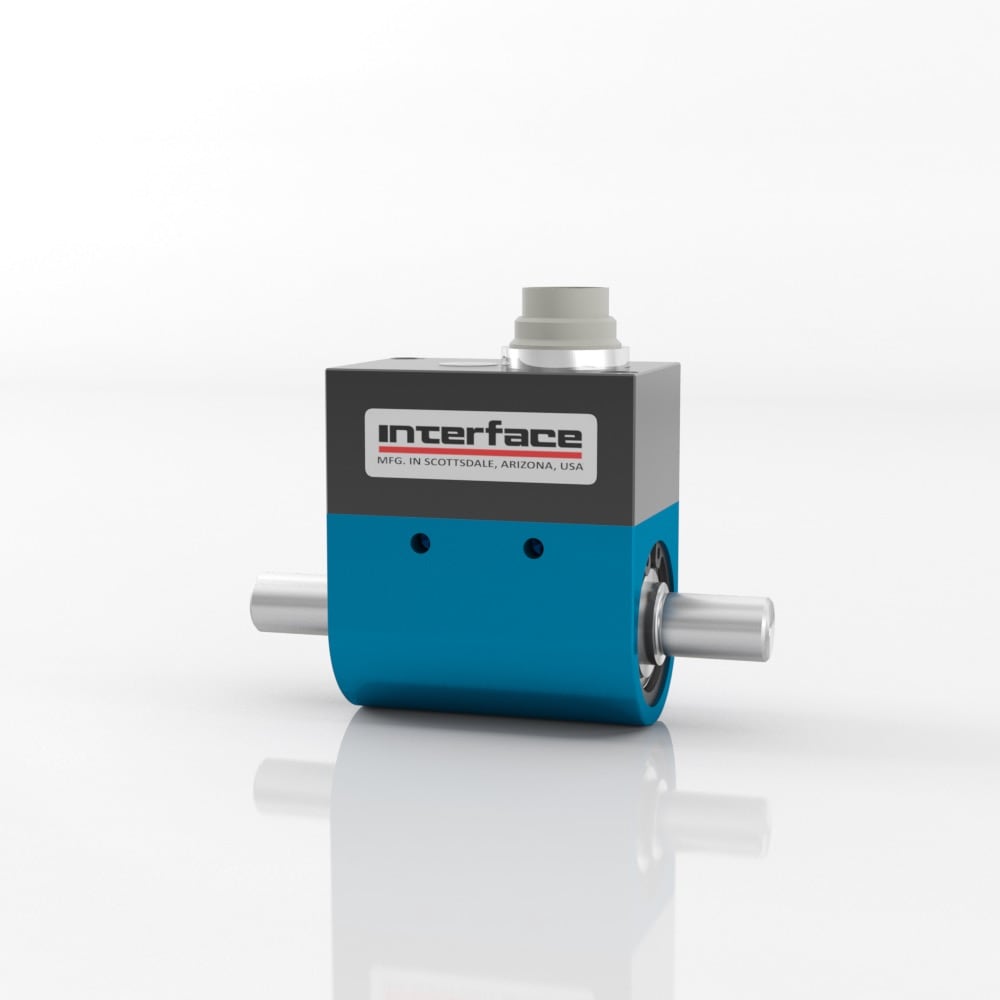
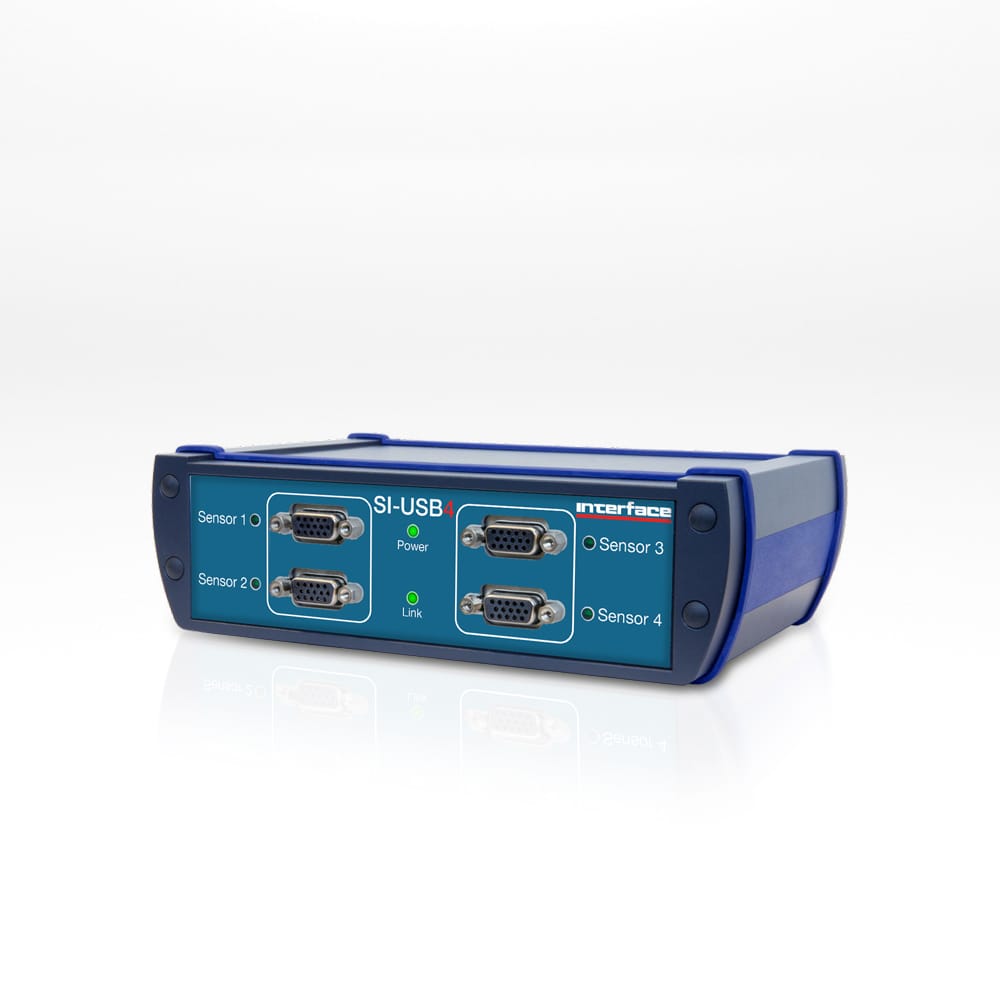
    Autonomous underwater vehicles are used for deep-sea exploration and inspection, where thrusters must operate efficiently under varying pressure and water resistance. Interface recommends the T2 Ultra Precision Shaft Style Rotary Torque Transducer paired with the SI-USB4 4-Channel USB Interface Module. The T2 measures torque during thruster operation, allowing engineers to observe fluctuations as propellers encounter changing hydrodynamic loads. The SI-USB4 enables real-time data acquisition, analysis, and recording, supporting testing and performance optimization.

    Autonomous Robot Dog for Oil and Gas Facility Inspections

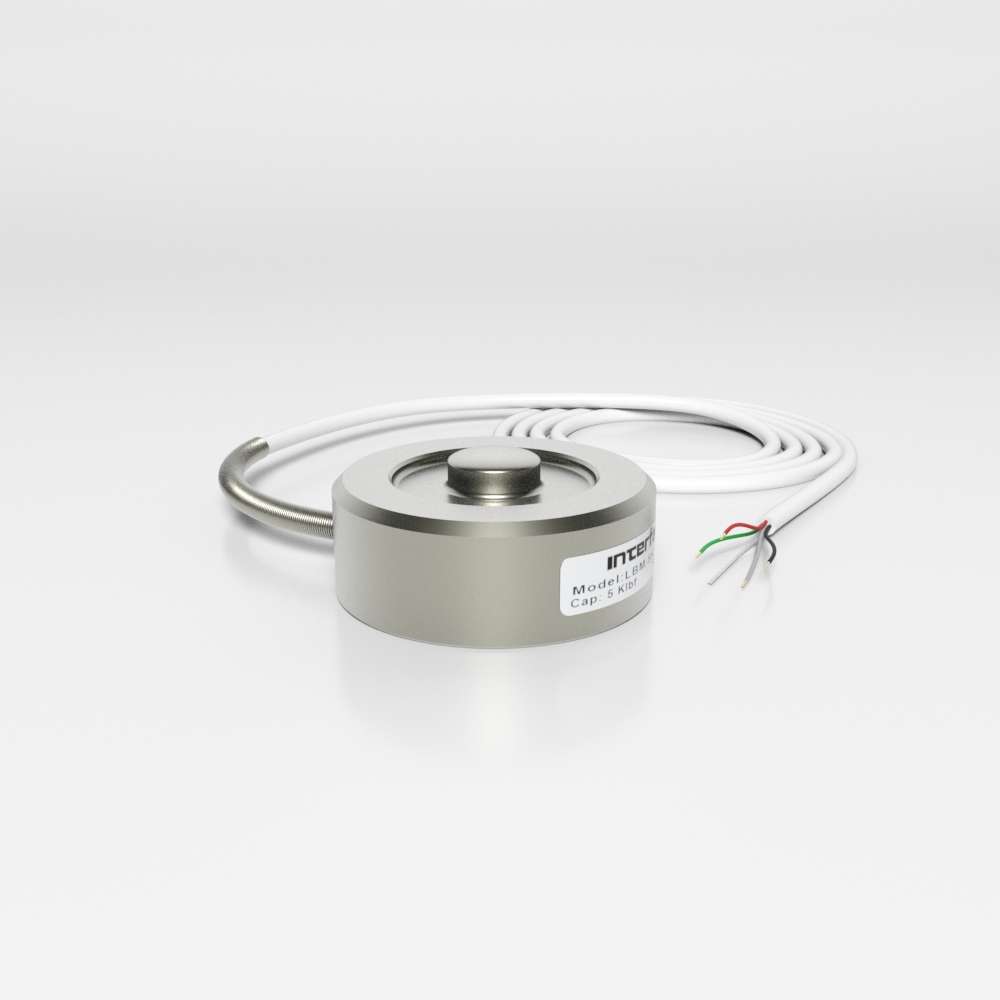
    Autonomous robot dogs are used for inspection tasks
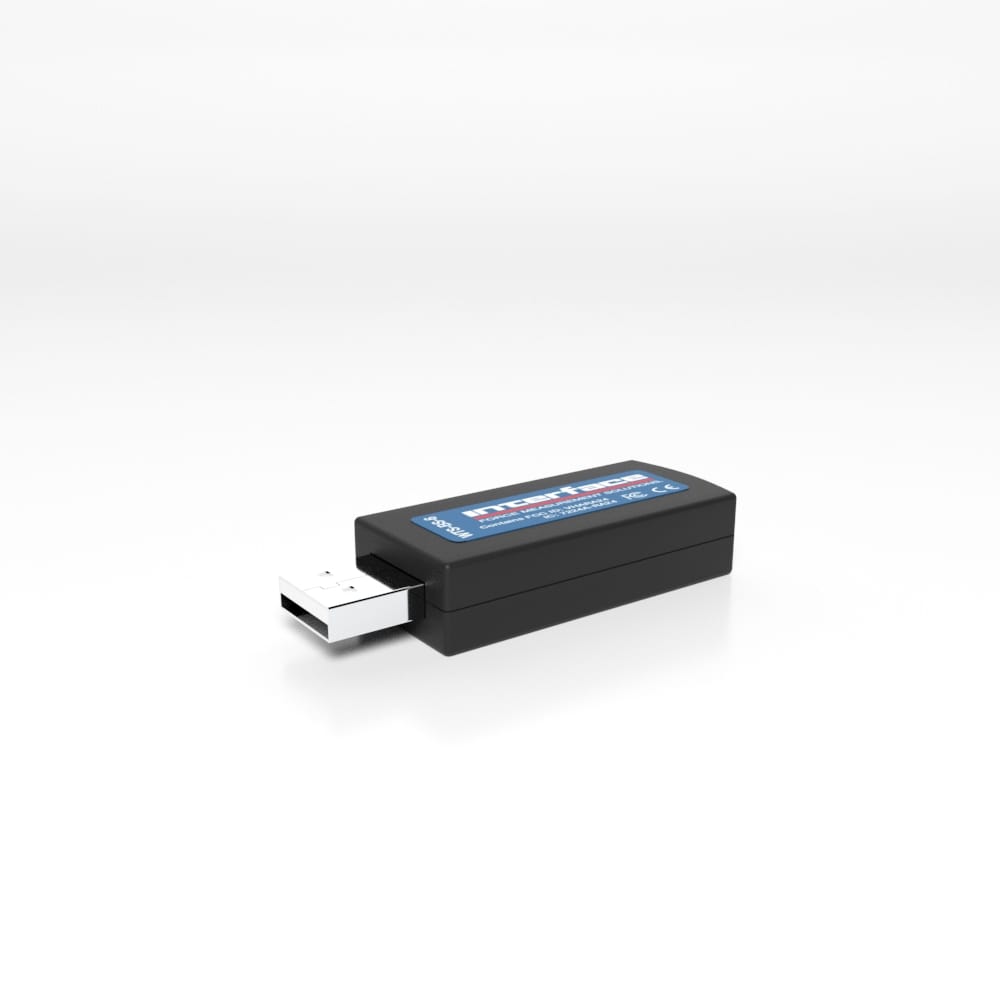
    in oil and gas facilities, where hazardous conditions, uneven terrain, and confined spaces limit human access. These autonomous robotic systems perform inspections of refineries, offshore platforms, and processing plants. Interface’s LBM Compression Load Button Load Cell can be installed in each foot of the robot dog to continuously measure ground contact forces. This data helps engineers assess balance, gait stability, and load distribution as the robot navigates grating, stairs, and irregular surfaces common in oil and gas environments. When paired with the WTS-AM-1E Wireless Strain Bridge Transmitter, data is transmitted through the WTS-BS-6 Wireless Telemetry Dongle Base Station, enabling real-time monitoring and analysis without restricting the robot’s mobility.

    Underwater Humanoid Robot

    Underwater humanoid robots that can switch between
    autonomous and remote-controlled modes require precise validation of limb strength, joint loading, and manipulator forces. These systems must withstand high pressure and hydrodynamic forces during underwater tasks. Interface’s 6A55RI 6-Axis Robot Flange Force-Torque Sensorsintegrated into the robot’s arms measure joint stress and loads during transformation between autonomous and remote modes. The sensors capturereal-time force and torque data during simulated tasks, including valve turning, lifting, and tool handling. Data is transmitted via Ether Cat and
    viewed directly within a control system for seamless integration and analysis.

  • Results

    Across underwater and terrestrial autonomous platforms, Interface sensors help reduce mechanical fatigue, improve energy efficiency, and extend system lifespan. The result is greater confidence in autonomous performance, faster development cycles, and the level of reliability required for mission-critical applications.